

CALAGROWTH HOLDINGS

A CLIVE COLLECTIVE PLATFORM

One brand.
A shared
horizon.

Invest in the CALA platform, with the goal of building four to eight locations and selling the brand together.

Explore the investment

Confidential discussion draft September 30, 2026

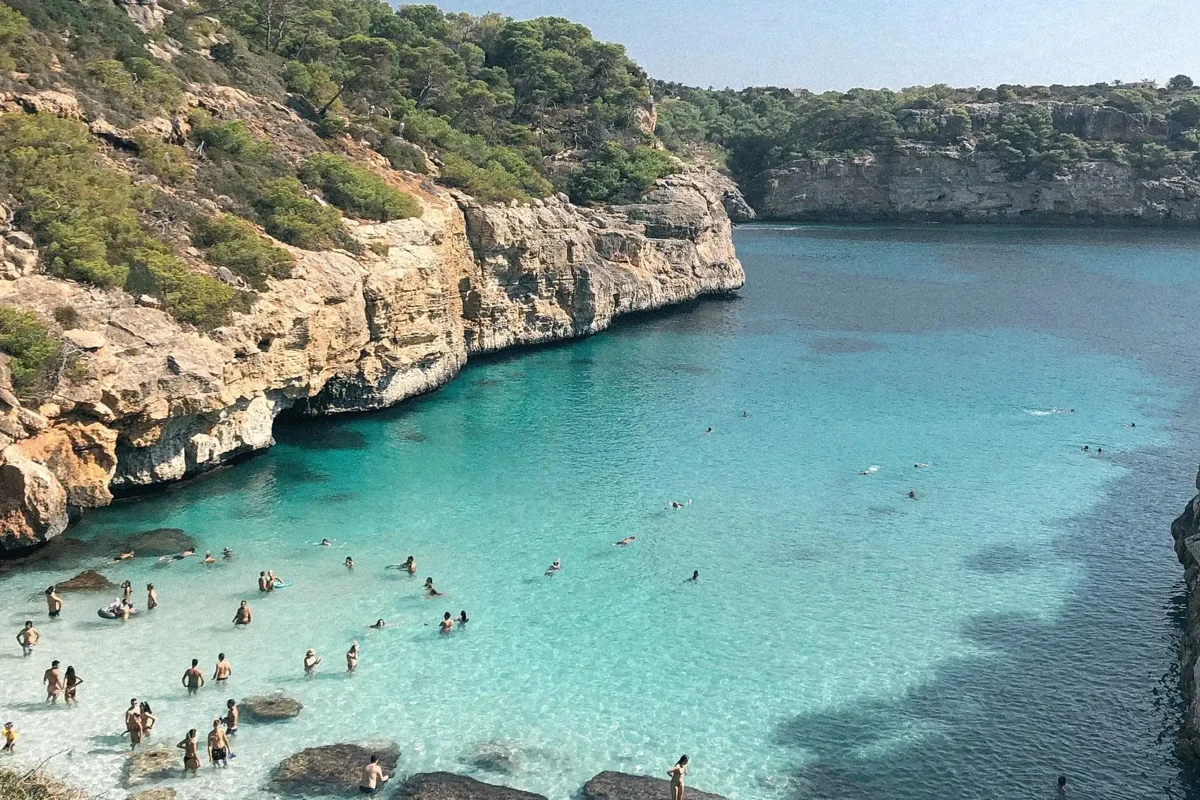
Coastal imagery from the CALA brand websiteTHE SPIRIT OF THE MEDITERRANEAN

THE INVESTMENT

A CALA portfolio.
One parent investment.

CALA Growth Holdings LLC would bring Paradise Valley and selected future CALA locations into one investment platform, with the option to acquire the existing Scottsdale operation.

Paradise Valley is the first deployment priority. The current PV plan calls for $2.35M of investor equity within a $6M project capitalization. A Scottsdale acquisition would be a separate investment decision, with its own valuation, approvals and funding. Later rounds would finance selected expansion opportunities at the platform’s then-current value, with participation rights for existing investors.

The intended outcome is a sale or recapitalization of the combined CALA platform.

4–8Locations at target scale
5–7Years, indicative horizon

Proposed strategy. Scale, timing, proceeds and liquidity are not guaranteed.

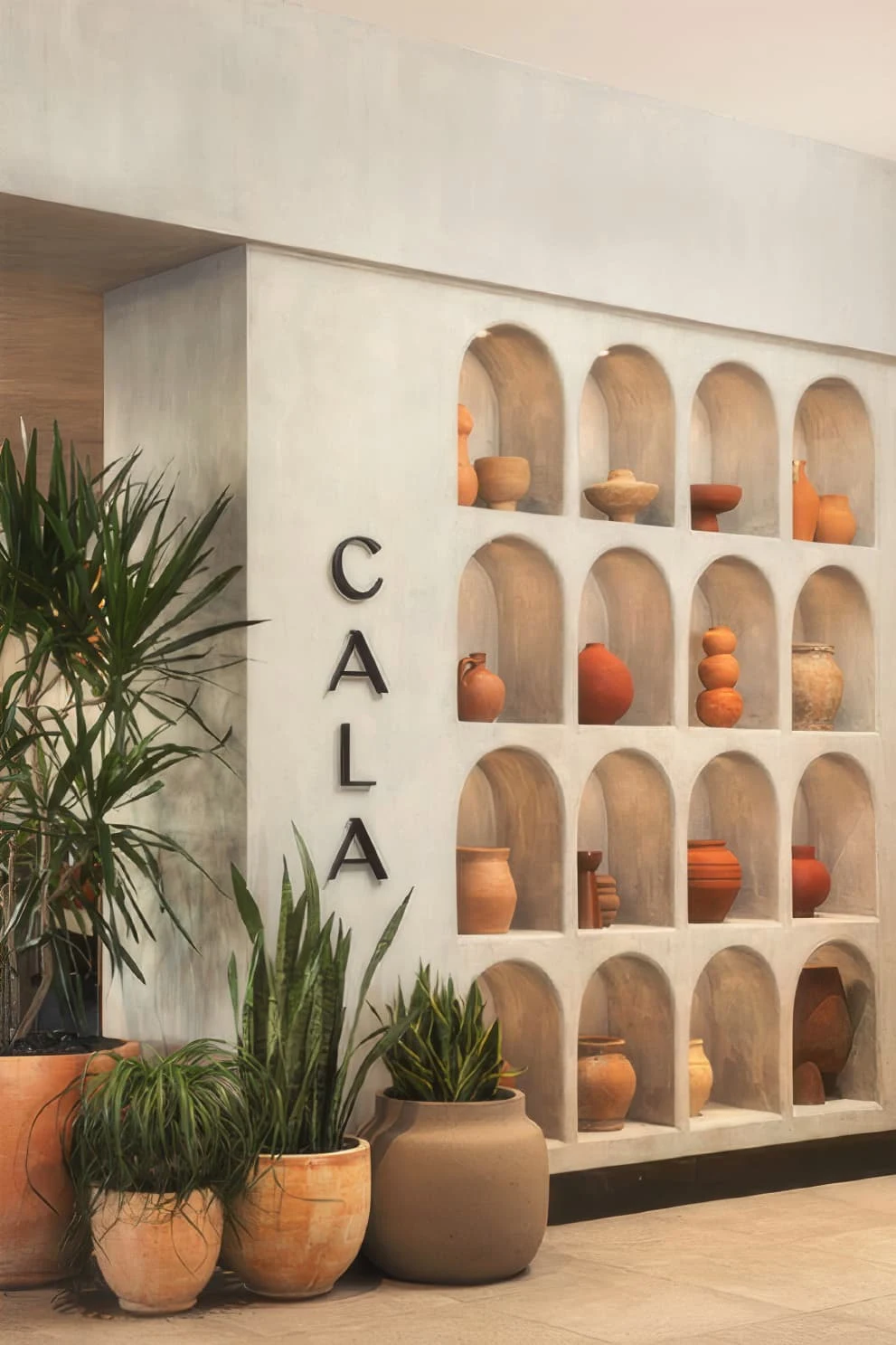
CALA Scottsdale interior with terracotta pottery and greenery

THE CALA EXPERIENCE

Mediterranean dining.
Scottsdale energy.

Coastal cuisine, a distinctive setting and a full beverage program.

Inspired by the Mediterranean coast, CALA combines handmade pasta, fresh seafood and artisanal pizza with an energetic restaurant experience.

Brand description: CALA at Senna House. Photography from the official CALA website.

THE STARTING POINT

Begin with PV.
Preserve the options.

Fund the Paradise Valley development first. Evaluate a Scottsdale acquisition separately as the platform grows.

FIRST DEPLOYMENT

CALA Paradise Valley

$2.35M target investor equity

RED Development at PV. The August 26 email reported a signed lease.

Project capitalization
$6M total: $2.35M investor equity, $650K landlord contribution and $3M proposed SBA financing.
Capital purpose
Construction and design, FF&E, opening costs, contingency and $350K of cash reserves.
To finalize
Budget reconciliation, financing approval, investor ownership and opening schedule.

The equity target assumes the full $3M SBA financing. Lower debt proceeds or budget changes would change the equity need. Construction progress requires confirmation.
OPTIONAL ACQUISITION

CALA Scottsdale

An opportunity to consolidate

The platform may acquire equity in 7501 Scottsdale LLC or the applicable operating entity if the price, structure and returns support the investment case.

Separate decision
Acquisition timing and funding would be evaluated independently of the PV development raise.
To finalize
Purchase price, debt treatment, existing investor rollover, current financials and required approvals.

Scottsdale is not included in the $2.35M PV equity target or assumed to be owned by the fund.

THE OPPORTUNITY SET

Eight opportunities.
A selective growth plan.

Simon Property Group is presenting CALA with opportunities across multiple properties, alongside locations sourced through other developer relationships. The pipeline provides choice; each site must earn its place in the portfolio.

THE SIMON RELATIONSHIP

One relationship.
Multiple markets.

Clive is in direct discussions with Simon’s restaurant development team about CALA at The Domain in Austin, Clearfork in Fort Worth and Fashion Valley in San Diego. Tampa Bay adds a fourth Simon opportunity to evaluate.

Simon’s team has shared site plans and as-built materials and offered property sales information and demographic support. This gives CALA a coordinated way to assess several markets through one landlord relationship.

This is a real estate development pipeline. Lease execution, landlord contributions, capital requirements and approvals remain specific to each location. No portfolio-wide development commitment or exclusivity is assumed.

8 opportunities

The original seven locations and their stages reflect the August 26, 2026 email to Jeff Ward. Tampa Bay and the expanded Simon relationship reflect management’s September 30 update, supported by Simon correspondence for Austin, Fort Worth and San Diego. Tampa Bay’s specific property and deal stage remain to be confirmed. LOIs do not establish executed leases.

THE PROPOSED STRUCTURE

One parent.
Separate restaurants.

Investors would own interests in CALA Growth Holdings LLC.

THE PARENT

Would hold the agreed CALA brand and intellectual property rights, plus equity interests in participating restaurant entities. Transfers, licensing arrangements and ownership percentages require definitive agreements.

THE RESTAURANTS

PV and approved future restaurants would operate through separate entities with location-specific leases, financing and ownership. Scottsdale would join only if an acquisition is approved and completed.

THE OPERATOR

Clive Collective would retain operating control and manage the CALA platform. Mikis Troyan and Justin Massei lead the sponsor discussion.

The PV investment materials currently describe brand rights retained by Clive and licensed to the restaurant. The fund proposal requires an agreed contribution or rights structure so fund investors participate in the intended platform exit. Ownership, lender consent and any existing investor rights must be reconciled before closing.

FUTURE CAPITAL

A defined process
for the next location.

  1. 01

    Price the new round

    Establish the platform’s then-current value under a documented valuation process.

  2. 02

    Offer participation

    Give existing investors the right to fund their pro-rata share of the new round.

  3. 03

    Admit additional capital

    Issue units to participating and new investors. Investors who decline dilute at the new round valuation.

PROPOSED INVESTOR ECONOMICS

One platform.
One waterfall.

Proposed parent-level terms only. The preferred return rate, management fee and complete waterfall remain to be finalized.

  1. Return investor contributed capital.
  2. Pay a cumulative, non-compounding preferred return at a rate to be finalized.
  3. Split remaining distributable proceeds.
60%

Investors

40%

Clive

Management fee basis and rate: to be finalized. Restaurant-level investor economics, including PV’s separate structure, must be reconciled with parent ownership and distributions. These proposed fund terms do not replace the PV operating agreement.

THE PV CAPITAL PLAN

$2.35M of investor equity.

A $6M capitalization plan for Paradise Valley, before any optional Scottsdale acquisition or future location raises.

Proposed Paradise Valley sources of capital
Proposed sourceAmount and status
Investor equity target$2.35M
Landlord contribution$650K
SBA financing$3M proposed; subject to lender approval
Total project capitalization$6M

The $2.35M target is PV project equity. The total fund raise may also require agreed platform reserves and formation costs. Lower debt proceeds, changes in landlord funding or revised project costs would change the equity requirement.

PV uses of capital
Paradise Valley budget uses
Construction & design$3.225M
FF&E$950K
Opening capital & contingency$980K
Pre-opening & soft costs$495K
Cash reserves$350K
Total$6M

Source: CALA PV investment materials and the Cala PV Deal Points capital plan. Management budgets and financing assumptions remain subject to reconciliation and final documentation.

OPERATING DISCIPLINE

Growth at the pace
of execution.

Before a site commitment

Review the budget, lease terms, downside cash needs and opening team.

Before the next expansion round

Assess existing restaurant performance, management capacity and remaining liquidity.

Investor reporting

Report restaurant performance, parent cash and debt, development spending, ownership changes and the capital plan.

Principal risks and proposed controls

Construction cost and delays. Proposed controls include contingency, milestone funding and updated forecasts.

Weak restaurant cash generation. Site-level downside underwriting and sufficient cash reserves.

Growth outpaces the team. Stage openings around management and recruiting capacity.

Valuation, dilution and conflicts. Document pricing, participation rights and approvals.

Exit timing, liquidity and capital loss. Use flexible hold periods and realistic financing and sale assumptions.

Proposed controls and reporting approach. No opening sequence or development dates are committed.

Mediterranean coastal imagery from the CALA brand website

THE SHARED HORIZON

The intended exit:
the CALA platform.

Build a portfolio of four to eight locations with repeatable unit economics, an operating team and clear brand rights. The intended liquidity routes are a sale to a strategic restaurant operator, a private equity recapitalization or a sale of the restaurant portfolio and associated brand rights.

The current one-pager proposes a five-to-seven-year horizon. Timing, scale, proceeds and liquidity are not guaranteed.

TWO EXIT VALUATION METHODS

Two approaches.
One platform value.

Evaluate a sale of the CALA platform using both a multiple of adjusted EBITDA and a multiple of gross revenue.

01 · EARNINGS-BASED EXIT

Adjusted EBITDA multiple

Value the platform’s normalized, consolidated earnings before interest, taxes, depreciation and amortization, after recurring platform costs and management expenses.

Enterprise value = annual adjusted EBITDA × EBITDA multiple

The earnings base should reflect the restaurants and brand rights included in the sale, with documented adjustments and recurring overhead.

02 · REVENUE-BASED EXIT

Gross revenue multiple

Value the platform’s consolidated annual restaurant revenue before operating expenses using a negotiated gross revenue multiple.

Enterprise value = annual gross revenue × revenue multiple

Agree the revenue definition with the buyer and exclude intercompany double counting. Profit margins, growth and earnings quality inform the multiple.

Both methods value the same platform using a consistent period and sale perimeter. They are alternative valuation approaches; the resulting values are not added together. Multiples remain subject to buyer negotiations and supporting transaction evidence.

From enterprise value
to investor proceeds

Under either method, equity proceeds reflect cash, outstanding debt, transaction costs and closing adjustments. Investor proceeds then depend on actual fund ownership, other investors’ rights, applicable taxes and the final distribution waterfall.

Equity value = enterprise value + cash − debt

Transaction costs, taxes and other closing adjustments affect net distributable proceeds.

What a buyer needs to see

Stabilized revenue and margins across locations; consistent operating standards; a management team with capacity; financials that support quality-of-earnings diligence; assignable leases; and clear ownership or transferable rights to the brand.

The sale perimeter includes only assets and rights actually held by the platform. Scottsdale’s revenue and earnings enter the fund’s valuation only if the relevant ownership interests are acquired.

No exit multiple, buyer, sale date or return is committed. Any illustrative valuation should be supported by comparable transactions and downside, base and upside cases.

THE REMAINING DECISIONS

Define the investment.
Make the economics clear.

Investor ownership & rights

Set the entry valuation, ownership percentage, minimum commitment, pro-rata rights, approval rules and treatment of future capital calls.

Fund and restaurant alignment

Document brand and IP rights, the fund’s PV ownership, existing investor interests, management fees and the path from restaurant cash flow to fund distributions.

Evidence behind the growth plan

Reconcile the PV budget and financing, refresh Scottsdale’s financial track record, underwrite each future location and show the team responsible for opening and operating it.

Exit and investor return scenarios

Model both adjusted EBITDA and gross revenue exit scenarios using evidence-based multiples, net debt, dilution and the investor waterfall to show potential MOIC and IRR under several outcomes.

CONTINUE THE DISCUSSION

Build the next
chapter of CALA.

Develop PV. Evaluate Scottsdale. Build a selective CALA portfolio.

Next decisions: reconcile the $2.35M PV equity target with fund capitalization, confirm investor ownership and brand rights, and finalize the economics for future expansion and exit.

Mikis Troyan mikis@weareclive.comDownload the earlier discussion deck

The downloadable deck is the earlier discussion draft. The current website incorporates the PV-first strategy, optional Scottsdale acquisition and Tampa Bay addition.